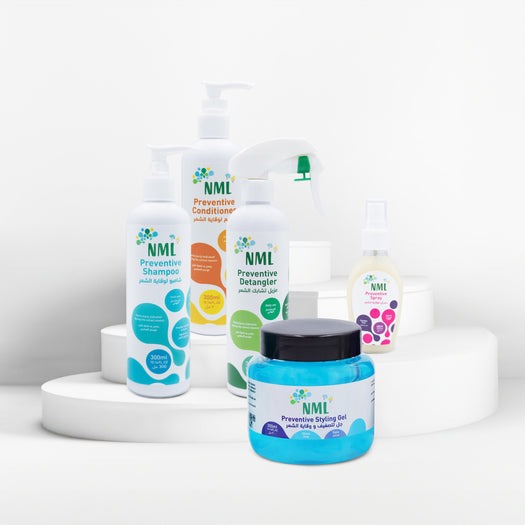
Treating head lice is only the first step. Using a hair lice shampoo kills live lice, but eggs may survive and cause reinfestation. Taking extra steps at home helps stop lice from returning.
Simple habits and careful checks make a big difference in keeping hair lice-free after treatment and maintaining comfort for children.
Combing Regularly:
After shampooing, use a fine-toothed comb to remove remaining nits and lice. Combing should continue for several days, especially at the scalp roots where eggs attach. This removes lice that survived the shampoo and prevents new lice from hatching unnoticed. Consistent combing reduces the risk of repeated treatments and supports faster recovery.
Checking Family Members:
Lice spread easily between close contacts. Examine siblings and caregivers for signs of lice. Treating everyone affected at the same time reduces the risk of reinfestation. Early detection helps families manage lice before it spreads further. Checking hair frequently also encourages children to stay alert and cooperative during treatment.
Cleaning Hair Accessories:
Hats, combs, brushes, and hair ties can carry lice. Washing these items in hot water or soaking them in a disinfecting solution prevents leftover lice from causing a return. Regular cleaning keeps hair tools safe to use and reduces the chance of transferring lice from one child to another in shared spaces.
Washing Bedding and Clothing:
Lice can cling to pillowcases, sheets, and clothing. Washing these items in warm water and drying them on high heat kills lice and nits. Items that cannot be washed can be sealed in a plastic bag for a few days to remove lice naturally. This approach reduces the possibility of reinfestation from overlooked fabrics.
Avoiding Head-to-Head Contact:
Children should avoid close contact with others while treatment is ongoing. Head-to-head contact is the most common way lice spread. Encouraging personal space temporarily helps reduce the chance of reinfestation in schools or homes.
Teaching Hygiene Habits:
Children can learn habits to reduce lice spread. Avoiding sharing combs, hats, or hair accessories encourages safer practices. Educating children about lice without causing fear supports prevention and confidence in managing head lice responsibly. Teaching hygiene habits strengthens long-term protection against reinfestation.
Following these steps after using hair lice shampoo helps families avoid repeated infestations. Combing, checking family members, cleaning items, monitoring hair, and teaching good habits keep lice from returning while promoting a safe, comfortable environment. A combination of treatment and preventive care provides the best results for a lice-free home.


