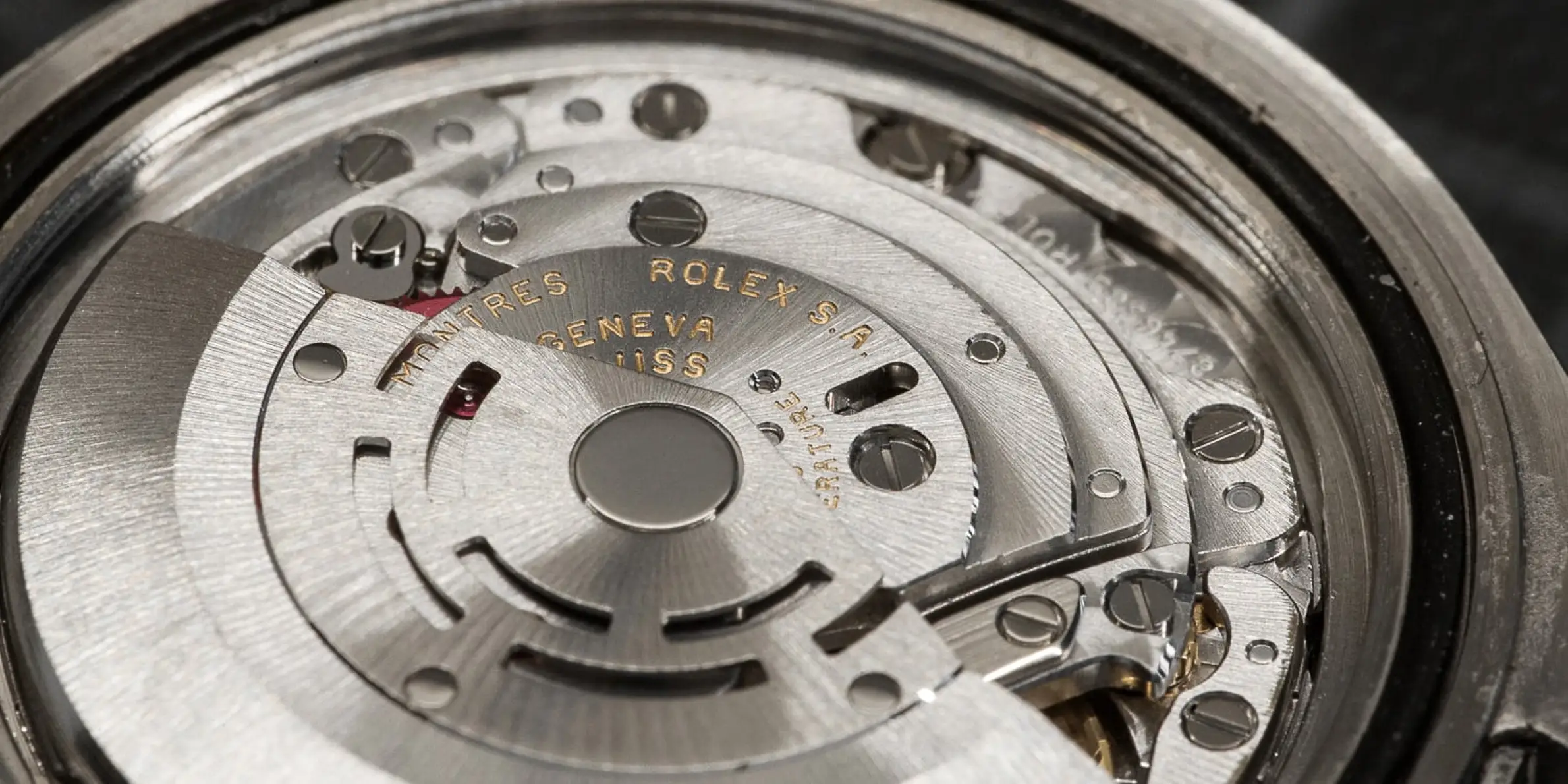
A proper storage routine keeps each timepiece safe from dust, dampness, and accidental harm. Small daily habits protect delicate movements and preserve original finishes for years. Collectors often overlook simple steps that make a real difference in long-term care.
Temperature changes and careless handling create risks you can easily avoid. With a few sensible adjustments, your collection stays in excellent shape. The Patek Philippe watch price in UAE reflects lasting value, but only correct storage protects that worth.
Find a cool dry spot:
Heat and moisture can damage the inside of a watch. You should pick a place in your home where the air stays the same all year. Avoid putting your items near windows or heaters. A dark closet or a heavy safe works well to keep the metal and leather safe from the sun.
Use the right boxes:
Original boxes are great, but sometimes you need extra protection. Soft linings prevent scratches on the metal case. Each piece should have its own space so they do not hit each other. Using a case with soft pillows keeps the straps in the correct shape while they sit on the shelf.
Keep them moving:
Automatic watches need movement to stay ready for use. A watch winder can help by spinning the piece slowly during the day. This keeps the internal oils from drying out or getting thick. If you do not use a winder, try to wind each piece by hand once every few weeks.
Watch out for magnets:
Magnets can stop a watch or make it run too fast. Keep your collection away from speakers, tablets, and large magnets. Even small magnetic fields can mess with the tiny springs inside the case. Checking your storage area for these items helps maintain the accuracy of every single piece you own.
Check the seals:
Over time, the rubber seals that keep water out can get old. It is helpful to look at your items closely every few months. If you see any fog under the glass, take it to a professional right away.
Record every detail:
Keeping a simple list of your items helps you stay organized. Write down when you last cleaned them or when they went for a repair. Storing your papers and receipts in a separate folder is also a good idea. This makes it easy to track the history of your collection as it grows over the years.


